
John La Barbera: Basic Tools For Better Arranging
John La Barbera distills down techniques, processes, and gives in depth analysis on the art of arranging.
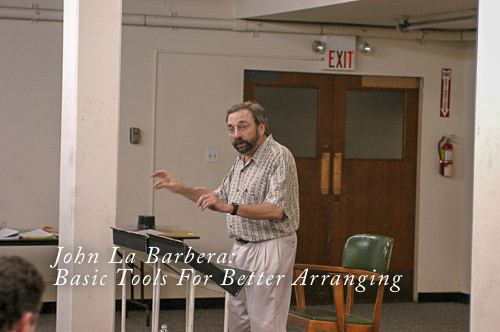
John La Barbera distills down techniques, processes, and gives in depth analysis on the art of arranging.

David Caffey frames some techniques he uses in soli writing along with giving examples and explaining his decision making process and the origin for the techniques he uses.
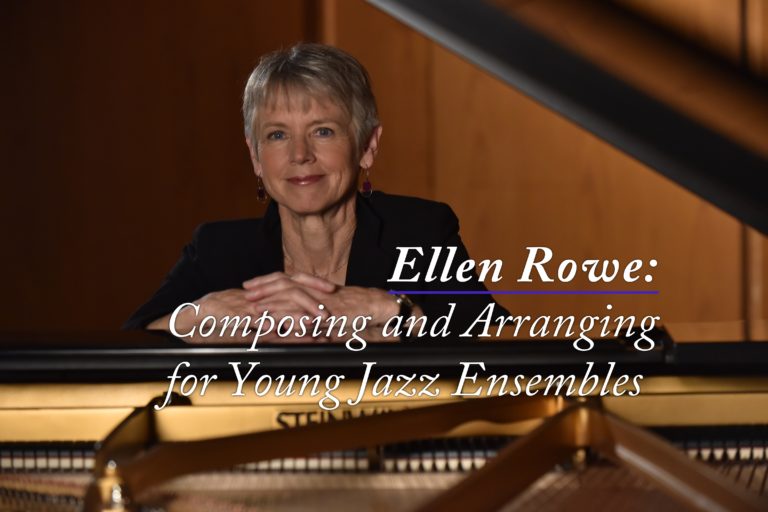
Ellen Rowe discusses why writing for young jazz ensembles is an interesting challenge writers should explore, how she makes the most of it, her inspirations, and her recommendations for you.
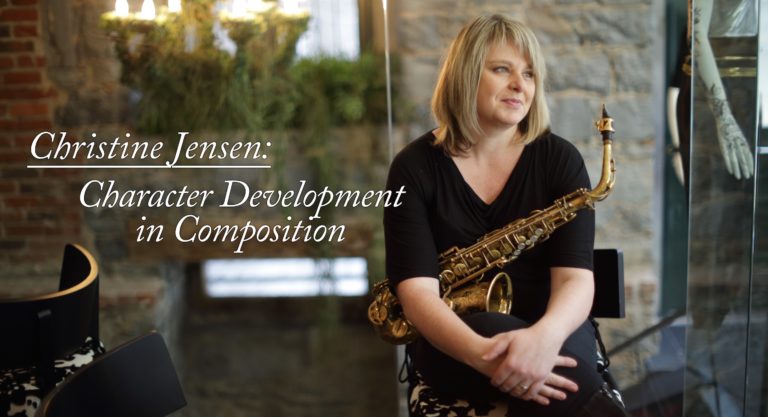
Composer and Saxophonist Christine Jensen reflects on the role of character development, melody, and her upbringing on her way of approaching improvised and composed music.
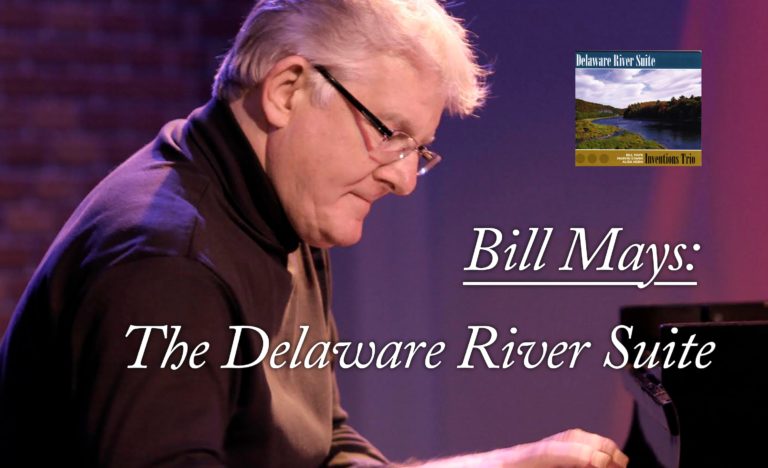
Bill Mays reflects and analyzes his multi-movement work, The Delaware Suite, talking about his motives, shapes, themes, and design. He includes a variety of example along with a PDF of the score and full recording of the suite.

Paul Read shines a spotlight on Canada’s pioneering Composer, Arranger, Clarinet Player, Band Leader, and Educator Phil Nimmons in this multi-media post (including a 40+ min interview, audio examples, and more).

In this interview with Paul Read, John Clayton recounts his compositional origins, his processes, and his advice for young composers.
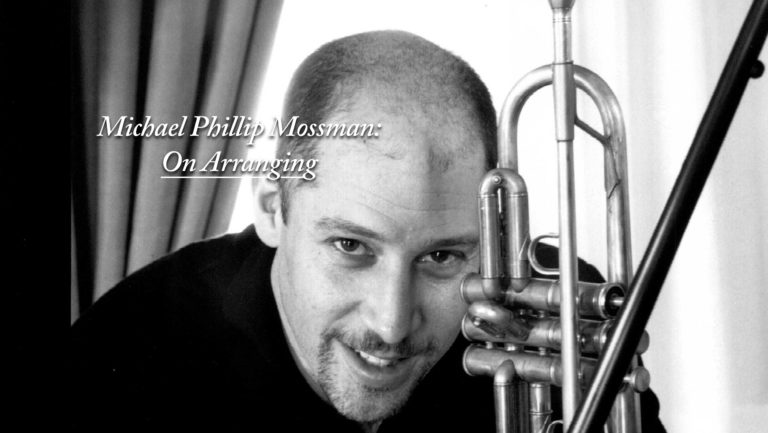
Michael Phillip Mossman reflects on his work as an arranger, how those opportunities shaped him, and a few pieces of directly applicable tips and ideas.
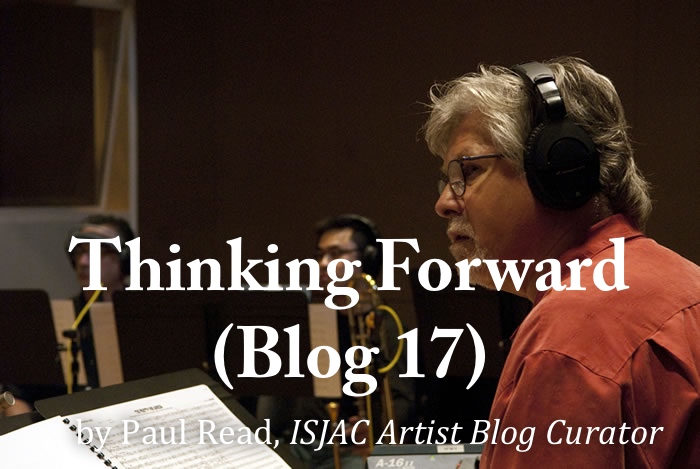
Artist Blog Curator and Composer Paul Read talks about the hidden benefits of curating this blog and asks for your feedback.
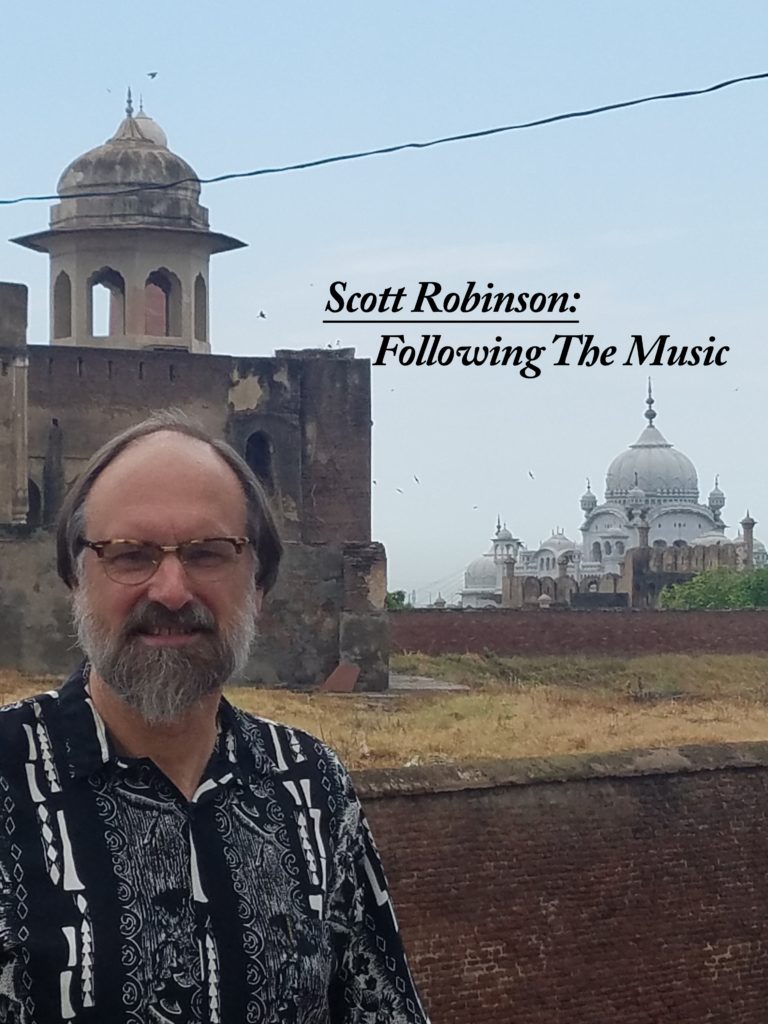
Scott Robinson reflects on the lessons he’s learned as a musician abroad.
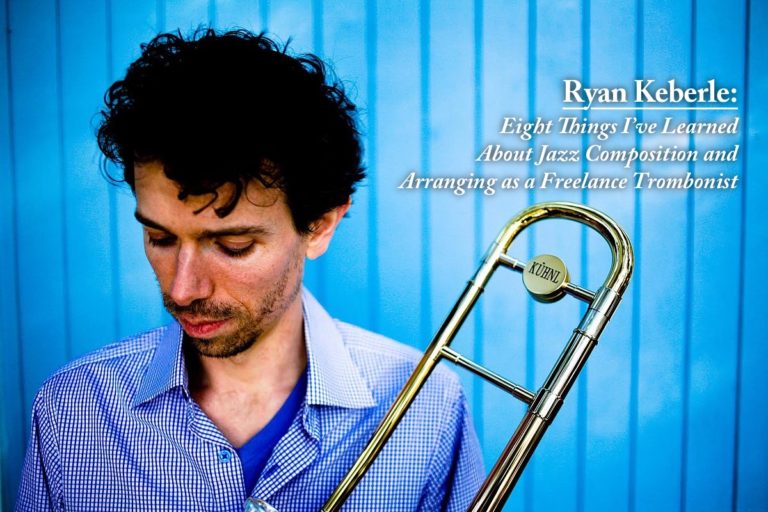
Ryan Keberle talks about soloing, technique, and conception; eight lessons he’s learned while playing great composers’ music as a freelance trombonist.
Adam Benjamin talks about listening with 7 different important checkboxes that musicians should definitely consider.

Bob Mintzer reflects on his process as a composer through his background, techniques for generating ideas, and executing those ideas.
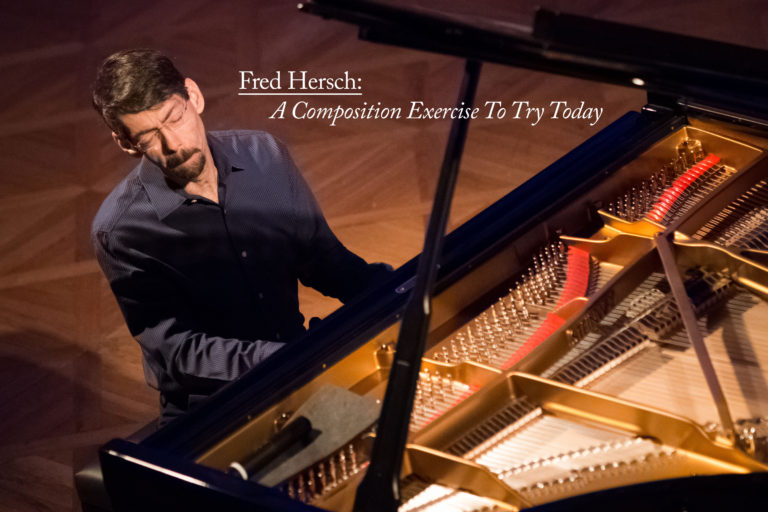
Fred Hersch shares an exercise involving a hat, a kitchen timer, and a pencil that you should try today.